
Business
Crop Trader Olam to Bet $400 Million More on Africa’s Diet Shift
By Marcus Chen
Advertisement · Why this ad?
Marcus manages the day-to-day editorial workflow across all brands, coordinating coverage assignments and ensuring editorial standards are met. He previously served as city editor at the Pioneer Press and holds a degree in Political Science from Carleton College.
More from Marcus →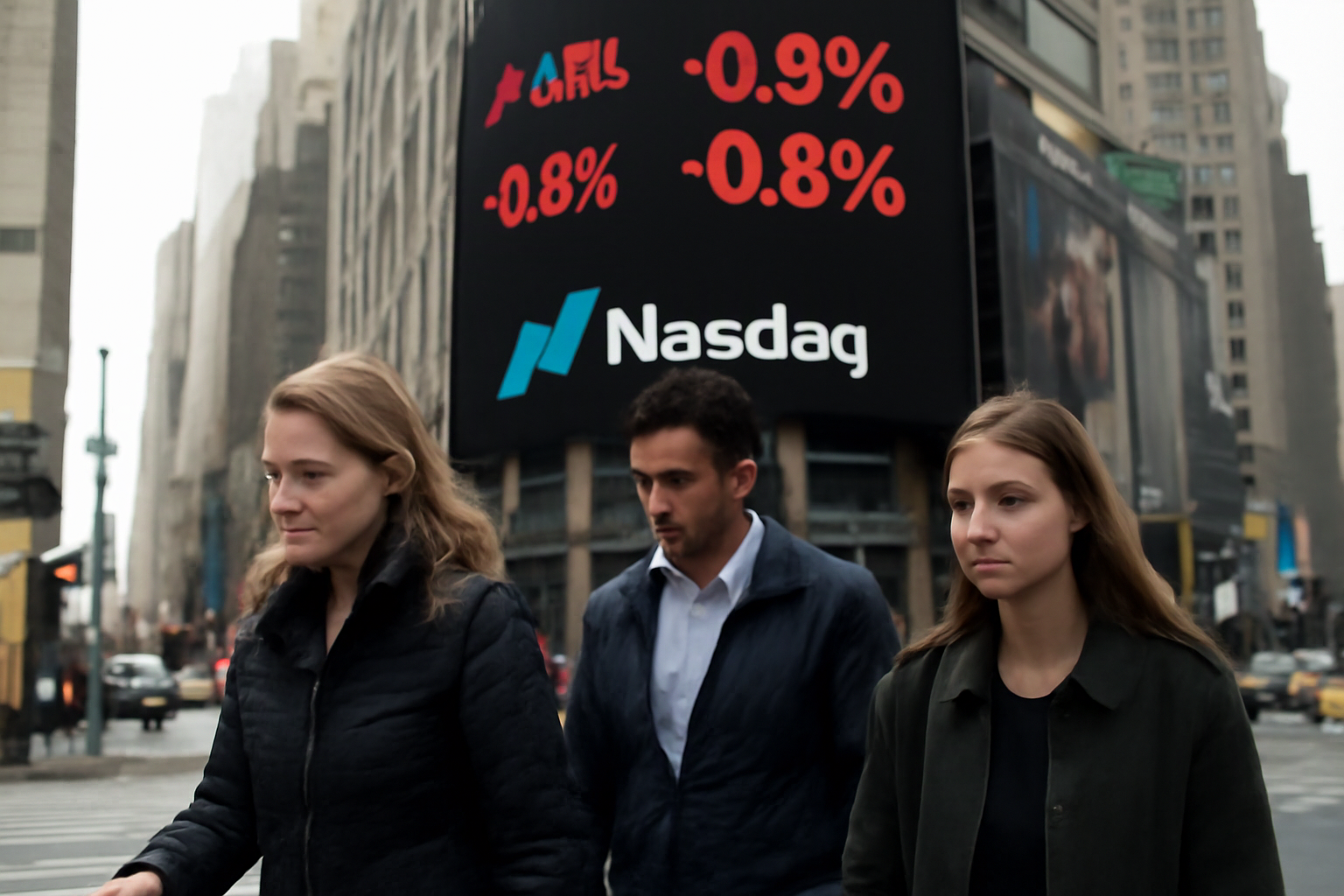
As the sun rose over New York City, the stock market was already buzzing with speculation. Traders gathered around screens, their eyes glued to the latest updates from the UK and European markets, anticipating a significant shift following the recent US elections. The Democratic sweep has sent ripples through global markets, and analysts are bracing for a potential downturn in the FTSE 100 and other European indices.
On election night, the Democrats secured a decisive victory, winning both the House of Representatives and the Senate. This outcome has raised concerns among investors, particularly regarding potential changes in fiscal policy and increased regulation. The FTSE 100, which closed at 7,300 points, is expected to open lower, with futures indicating a drop of around 1.5%.
The ripple effect is not limited to the UK. Major European indices, including Germany's DAX and France's CAC 40, are also projected to decline. Analysts point to the uncertainty surrounding trade agreements and economic policies as key factors contributing to this anticipated market reaction.
Financial experts are closely monitoring the situation, with many predicting that the Democratic control could lead to increased corporate taxes and stricter regulations. These changes could significantly impact profitability for companies listed on the FTSE 100. According to market analyst James Carver, "Investors are understandably cautious. The prospect of higher taxes and regulatory changes under a Democratic administration could lead to a reevaluation of stock values across the board."
The uncertainty surrounding potential changes in monetary policy is also adding to market jitters. The Bank of England has been grappling with inflationary pressures, and a shift in US policy could further complicate the situation. Investors are now weighing the implications of a more interventionist approach from the Federal Reserve.
The potential downturn in the stock market is not just a concern for traders. It could have far-reaching implications for everyday New Yorkers and families across the UK. Many individuals rely on retirement accounts and investments tied to the stock market for their financial security. A significant decline in the FTSE 100 could erode savings and impact consumer confidence.
Local businesses, particularly those in the financial sector, are also watching the situation closely. The New York Stock Exchange and Nasdaq are critical players in the global market, and any turbulence could trickle down to affect employment and economic growth in the city. Small businesses that depend on a stable financial environment may face challenges if consumer spending declines.
In neighborhoods like Wall Street, the heart of the financial district, the mood is tense. Traders and analysts are not just numbers on a screen; they are individuals with families, mortgages, and aspirations. For many, their livelihoods hinge on market performance. Local cafes and restaurants that thrive on the bustling business crowd during trading hours could see a downturn in foot traffic if the market takes a hit.
The implications of the Democratic sweep extend beyond the immediate concerns of stock market fluctuations. The shift in political power may lead to changes in policy that could affect everything from healthcare to infrastructure spending, which are vital for economic growth. For instance, increased investment in renewable energy could create new jobs, while higher corporate taxes might deter foreign investment.
Moreover, the banking sector is bracing for potential regulatory changes that could alter lending practices. As banks adjust their strategies, consumers might find it harder to secure loans for homes or businesses, further tightening the economic landscape. Local financial institutions are preparing for this shift, with many already advising clients to rethink their financial plans.
Local leaders and residents are expressing their concerns and hopes about the potential market downturn. Maria Gonzalez, a small business owner in the Lower East Side, shared, "We’ve worked hard to build our businesses, and a shaky market could mean fewer customers and less stability. We hope for policies that support small businesses, not hinder them."
Community organizations are also stepping up to provide resources and support. The New York City Economic Development Corporation is planning workshops aimed at helping small business owners navigate the changing economic landscape. These sessions will cover topics such as financial planning, marketing strategies, and adapting to market fluctuations.
As the markets brace for a rough opening, investors are advised to adopt a cautious approach. Analysts suggest diversifying portfolios and considering defensive stocks that tend to perform well in downturns. "Now is the time to reassess your investment strategy," Carver advises. "Focus on sectors that are less sensitive to economic cycles, such as utilities and consumer staples."
In the coming days, investors will be closely monitoring economic indicators and statements from key financial leaders. The Federal Reserve's next meeting is scheduled for December 15, and any hints regarding future monetary policy will be scrutinized. Additionally, the UK government is expected to release its budget statement soon, which could provide further clarity on fiscal plans.
Community leaders and local economists are also weighing in, emphasizing the need for resilience in the face of uncertainty. Local chambers of commerce are organizing forums to discuss strategies for small businesses to weather potential economic storms. These gatherings aim to equip entrepreneurs with the knowledge and tools to adapt to changing market conditions.
The Democratic sweep in the US elections has set the stage for potential turbulence in global markets, particularly in the UK and Europe. As investors brace for a possible decline in the FTSE 100 and other indices, the implications for everyday families and businesses cannot be ignored. A stable financial environment is crucial for the American dream, and uncertainty could challenge that foundation. Moving forward, it will be essential for investors to stay informed and adapt their strategies to navigate the changing landscape.
Ultimately, the interplay between politics and economics is complex, and the coming months will be critical in shaping the future. The resilience of local communities, combined with strategic financial planning, will play a significant role in determining how individuals and businesses respond to these changes. As the dust settles from the election, one thing remains clear: the financial landscape is shifting, and adaptation will be key.
By Marcus Chen

By Katherine Langford

By Katherine Langford

By Marcus Chen