Business
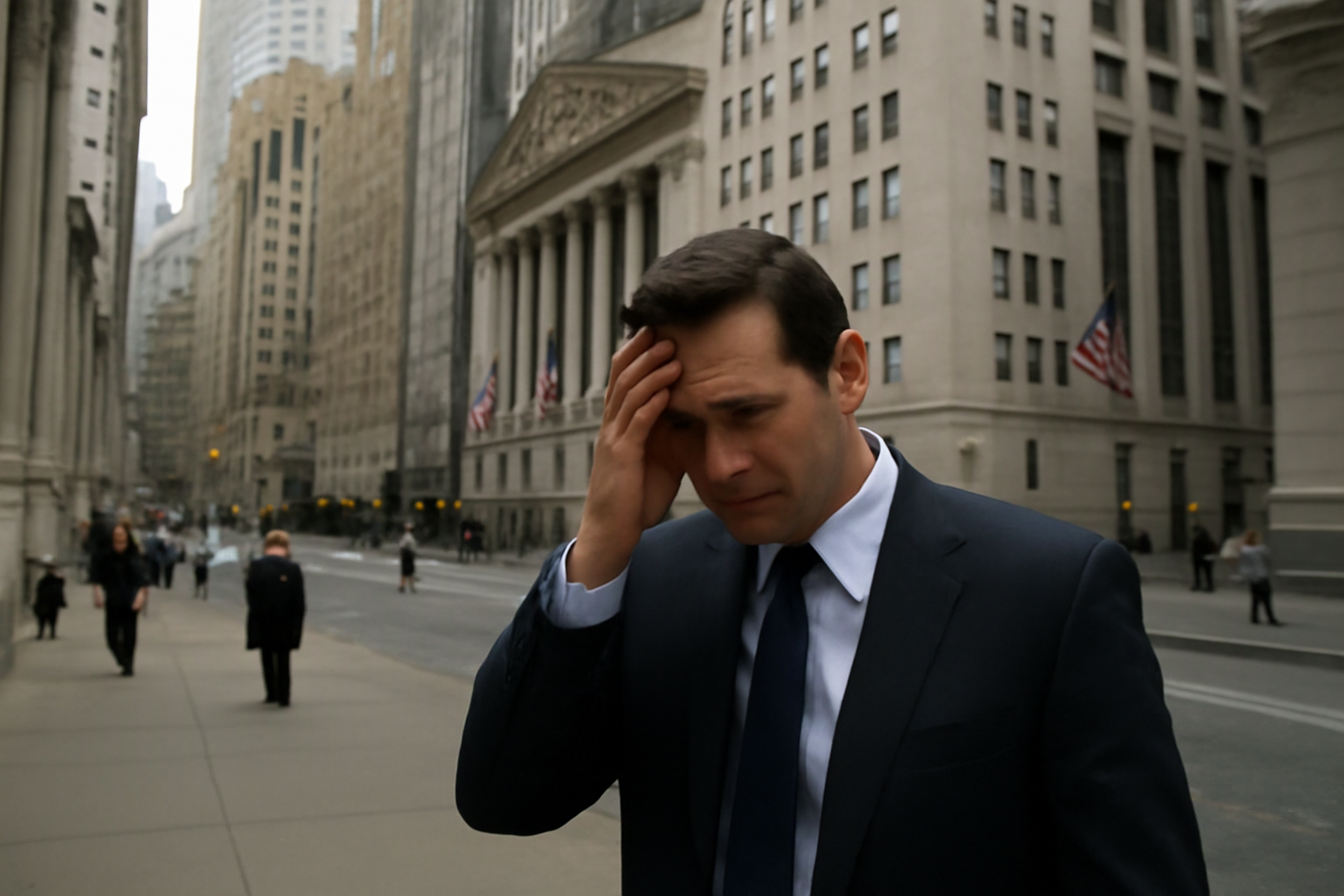
Wall Street Sees US Hitting $41.1 Trillion Debt Cap in February
By Katherine Langford
Advertisement · Why this ad?
Katherine oversees editorial operations across all six brands. Before joining The Meridan Group, she spent 14 years at the Minneapolis Star Tribune, where she led the metro desk through its digital transformation. She holds a Master's in Journalism from Northwestern's Medill School.
More from Katherine →
As the sun dips lower over Manhattan and families prepare to turn back their clocks this upcoming weekend, a deeper, more contentious debate is unfolding behind the scenes—one that could reshape how Americans experience time and productivity. The familiar ritual of adjusting clocks, often dismissed as a minor inconvenience, has become a focal point in a broader conversation about health, economy, and federal policy. For many residents, especially those juggling work, family, and faith, understanding the stakes behind this seasonal change reveals a complex web of interests and inertia that stymies progress.
The debate centers on whether the United States should continue the twice-yearly ritual of switching clocks—springing forward and falling back—or adopt a permanent time standard. Advocates for abolishing the practice argue that it disrupts circadian rhythms, harms mental health, and reduces productivity. Conversely, proponents highlight potential energy savings and the benefits of more daylight during evening hours, which can boost retail activity and outdoor recreation. The issue has gained momentum in recent years, with several states, including New York, passing legislation to stay on daylight saving time year-round, pending federal approval.
However, despite widespread public support—polls show over 60% of Americans favor ending the biannual clock change—the federal government has yet to enact comprehensive reform. This legislative gridlock reflects competing interests, bureaucratic inertia, and the complex process required to amend national time standards. The ongoing debate encapsulates a broader tension between tradition and modern scientific understanding of health, as well as economic considerations that influence policy decisions at the highest levels.
For New Yorkers, the implications of this debate are tangible. Local businesses, schools, and families grapple with the effects of shifting schedules. Teachers report that students often struggle with the time change, impacting learning and attendance. Small business owners, particularly those in retail and hospitality, note that extended evening daylight could increase customer traffic, but uncertainty about future time standards hampers long-term planning.
Many residents express a desire for stability rooted in faith and family routines. “A consistent schedule helps my children sleep better and attend church without the chaos of changing times,” shares Maria Lopez, a mother of three from Queens. Her family’s routine is emblematic of many in the city, where tight schedules and religious commitments often hinge on predictable routines. For faith communities, the extra evening daylight could foster more community gatherings, strengthening bonds that are vital to the city’s social fabric. Yet, without federal consensus, these personal and communal benefits remain in limbo, highlighting the importance of decisive action.
In neighborhoods like Harlem and Brooklyn, community leaders have voiced concerns about safety during darker mornings and evenings, especially for children and vulnerable populations. Local advocacy groups argue that a stable time could improve public safety and mental health, especially amid rising awareness of the mental health impacts of seasonal changes. The debate is not just about convenience but touches on the core issues of community well-being and resilience.
Looking ahead, the path to a permanent daylight saving time remains uncertain. Several bills have been introduced in Congress, including the Sunshine Protection Act, which aims to make daylight saving time permanent nationwide. Supporters argue that such legislation would eliminate the confusion and health risks associated with biannual clock changes. Critics, however, warn of unintended consequences, such as darker mornings during winter months, which could affect school safety and morning commutes.
In New York, state officials continue to advocate for federal approval, emphasizing the economic and health benefits of staying on daylight saving time year-round. The city’s Chamber of Commerce and local health agencies have issued statements supporting reform, citing improved mental health and increased economic activity. For example, local business leaders see potential for longer evenings to boost sales, especially in restaurants and entertainment venues, which are vital to the city’s economy.
Yet, the legislative process often moves slowly, hindered by competing priorities and political divides. The federal government’s cautious approach is partly due to concerns about how a permanent change might impact different regions, especially in northern states where winter mornings could be significantly darker for longer periods. As the nation waits, communities like ours remain hopeful that common sense and scientific evidence will eventually prevail, bringing stability and clarity to daily life.
Moreover, the debate over daylight saving time has spurred local activism. In New York City, grassroots organizations have organized petitions and town hall meetings to press for faster federal action. These groups argue that the benefits of a consistent time outweigh the inconveniences of change, and they emphasize the importance of prioritizing public health and economic vitality in policymaking.
Beyond the legislative nuances, the issue hits close to home for many New Yorkers. The city’s dense population, diverse communities, and vibrant economy make the impact of time changes particularly acute. For example, the tourism industry, which relies heavily on evening activities, could see a boost if daylight hours are extended permanently. Tourists from around the world flock to NYC for its theaters, restaurants, and outdoor attractions, all of which thrive on longer daylight hours.
Similarly, public health officials are increasingly concerned about the mental health toll of seasonal changes, especially in a city where mental health services are stretched thin. Dr. Lisa Carter, director of mental health initiatives at NYC’s Department of Health, notes that “consistent routines and exposure to natural light are crucial for mental well-being. The current clock changes disrupt these routines, especially during winter.”
Local schools and parents are also advocating for change. Many believe that a permanent schedule would help children get better sleep, improve academic performance, and reduce behavioral issues linked to fatigue. “Our kids deserve stability,” says James O’Neill, a parent and PTA member from Brooklyn. “The constant change messes with their sleep and focus.”
As the legislative debate continues, several steps are likely to shape the future of daylight saving time in the U.S. First, Congress must pass the relevant bills, such as the Sunshine Protection Act, which has bipartisan support but faces opposition from some regional lawmakers wary of the impact on their constituents.
Second, federal agencies like the Department of Transportation and the Department of Energy will need to coordinate on implementing any changes, ensuring that local governments and communities are prepared for the transition. This includes updating schedules, public information campaigns, and contingency plans for unforeseen issues.
Meanwhile, local governments and advocacy groups will continue to push for faster action, emphasizing the tangible benefits for health, safety, and economic growth. The upcoming fall and winter months will be critical in gauging public opinion and building momentum for federal reform.
Ultimately, the decision is about more than just clocks—it’s about how a modern society adapts to scientific insights, respects community needs, and values stability. For New Yorkers, the hope is that future legislation will reflect these principles, fostering a city where faith, family, and community thrive without unnecessary disruption. As the city prepares to fall back this weekend, residents are reminded that the clock is ticking on meaningful change—one that could benefit generations to come.
By Katherine Langford
By Marcus Chen
By Marcus Chen
By Katherine Langford