
Technology
Best Wireless Earbuds I’d Buy Right Now (2026): Apple, Beats, Bose, and More
By Marcus Chen
Advertisement · Why this ad?
Katherine oversees editorial operations across all six brands. Before joining The Meridan Group, she spent 14 years at the Minneapolis Star Tribune, where she led the metro desk through its digital transformation. She holds a Master's in Journalism from Northwestern's Medill School.
More from Katherine →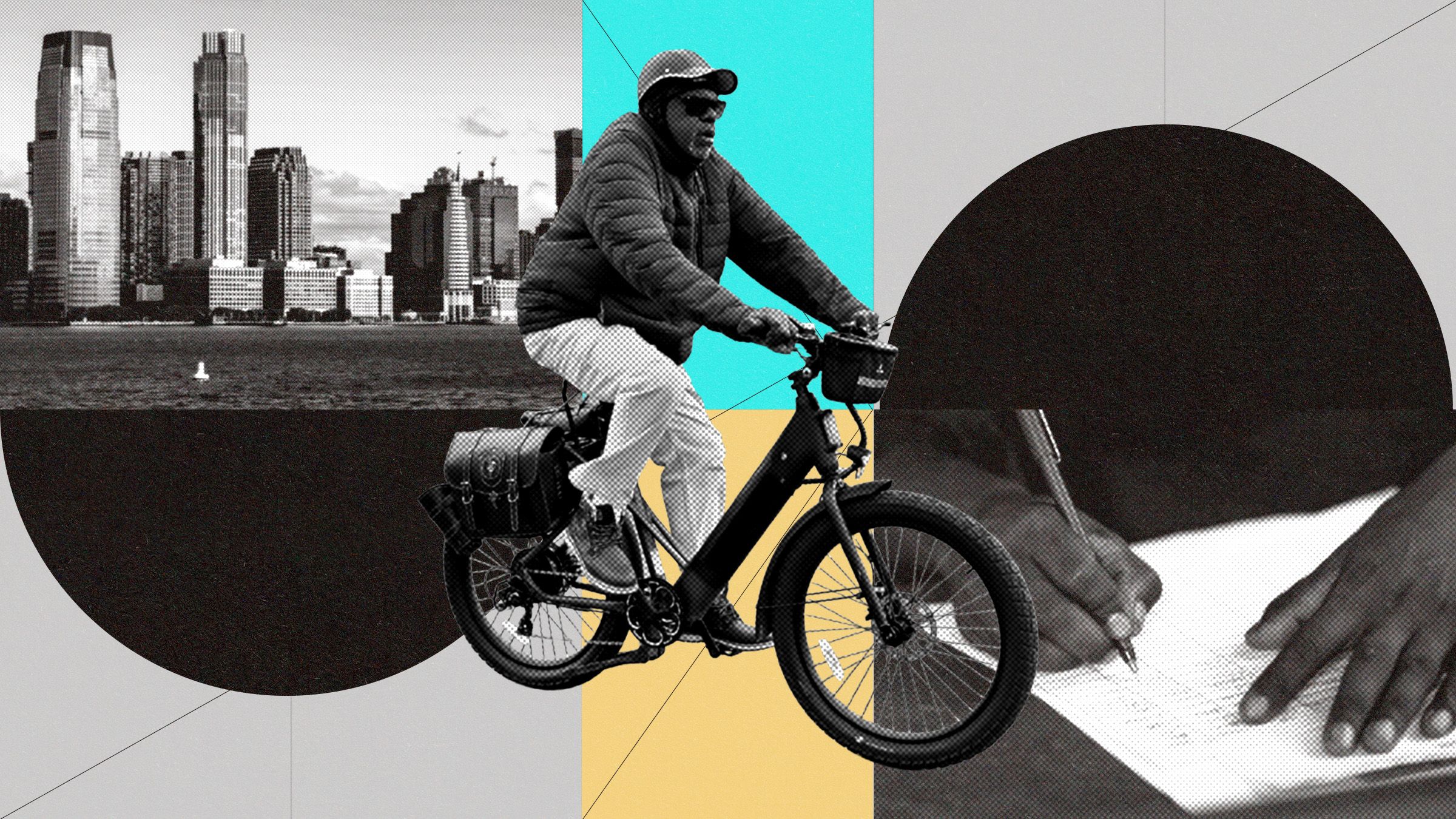
As the sun dipped below the horizon, casting a golden glow over Jersey City, Karin Vanoppen stood by her pedal-assist bike, contemplating the changes that had rendered her once-favorite mode of transportation nearly obsolete. Since New Jersey's new ebike law took effect in July, Vanoppen, who relies on her bike to navigate steep hills and run errands, has not been able to ride. The law, aimed at enhancing safety amidst a surge in ebike usage, has instead sparked widespread confusion and frustration among riders, advocates, and local businesses.
In January, outgoing Governor Pat Murphy signed into law S-4834, a pioneering measure that mandates licensing and registration for ebike riders. The legislation, spearheaded by Senate President Nick Scutari, was a response to a troubling rise in accidents involving ebikes, including the tragic death of a 13-year-old boy last fall. Scutari emphasized the need for safety, stating that the law was designed to address the "dramatic increase" in ebike usage that had created greater risks for riders and pedestrians alike.
Under the new regulations, individuals must be at least 15 years old to operate an ebike, and they are required to possess either a driver’s license or a specific motorized bicycle license. Additionally, riders must register their ebikes with the New Jersey Motor Vehicle Commission (MVC) and secure insurance if their bike can exceed 20 mph. These requirements are intended to ensure that riders are adequately trained and accountable, but the rollout has been anything but smooth.
Reports from local MVC branches indicate widespread confusion among staff regarding the new rules, with many workers lacking the necessary training to assist customers effectively. Riders have encountered issues such as running out of registration stickers and being asked to pay sales tax on bikes purchased years ago. The agency’s facilities have also been criticized for their lack of bike parking and accessibility via public transit, creating additional barriers for those seeking compliance.
Local bike shop owners have voiced their concerns about the impact of the new law on their businesses. Scott Chambers, who owns Zippy’s Bikes in Wildwood, reported a staggering 90 percent decline in ebike sales, attributing the downturn to the law's negative perception among potential buyers. Chambers lamented, "They have vilified ebikes," emphasizing that the future of his shop, and many others, is now uncertain. The New Jersey E-Bike Coalition, formed in response to the legislation, revealed that 37 bike shops have closed statewide since the law's implementation.
The law's unintended consequences have disproportionately affected vulnerable populations, particularly those who rely on ebikes for transportation. Disabled individuals and lower-income citizens often lack the resources to navigate the licensing process, which can involve long journeys to testing centers. Vanoppen, who does not hold a driver’s license, expressed her frustration at the prospect of having to rely on her elderly mother for transportation to a testing location over an hour away. "I guess my 85-year-old mother has to come," she remarked, highlighting the absurdity of the situation.
According to New Jersey MVC spokesperson William Connolly, the agency has issued approximately 16,825 ebike registrations thus far, a fraction of the estimated 300,000 ebikes and e-motos in the state. While some riders with driver’s licenses reported a smooth registration process, many others have felt the brunt of the law's complexities.
One of the primary challenges surrounding the new ebike law is the persistent confusion regarding what constitutes an ebike. The legislation differentiates between models, with lower-speed bikes topping out at 20 mph and higher-speed models capable of reaching 25 to 28 mph. E-motos, which can operate without pedals and reach speeds exceeding 50 mph, fall into a legal gray area, complicating enforcement and education efforts.
Shannon Connor, owner of Jesse’s E-Rides, noted that many of the serious accidents reported in the state involved e-motos rather than traditional ebikes. This distinction is crucial, as New Jersey has historically categorized motorized vehicles like e-motos as motorcycles, requiring riders to be at least 17 years old and possess a license. Connor emphasized the need for clearer education regarding these vehicles, stating, "The biggest problem that we have is educating people."
In response to the backlash, State Senator Raj Mukherji has proposed a new bill aimed at alleviating some of the burdens imposed by the current law. This proposal seeks to exempt lower-speed ebikes that can only achieve motor-only speeds of 20 mph from insurance and licensing requirements. Mukherji described the bill as a "sensible balance between public safety and preserving access to affordable, environmentally friendly transportation." Under this proposal, faster “class 3” ebikes would continue to be subject to the existing regulations.
Advocates for cycling safety argue that there are alternative measures to enhance road safety without resorting to strict ebike licensing. They suggest that the federal government could leverage existing regulations to address the e-moto market, which is often marketed in a way that misleads consumers about appropriate usage. Furthermore, educational initiatives targeting youth could promote safe riding practices and knowledge of road rules, reducing the incidence of reckless riding.
As New Jersey navigates the complexities of its new ebike law, the community's response will likely shape the future of cycling regulations. The ongoing dialogue surrounding safety, accessibility, and responsible riding practices is crucial for ensuring that ebikes remain a viable transportation option for all residents. While the law aims to protect riders and pedestrians, it is essential to strike a balance that fosters both safety and the continued growth of this environmentally friendly mode of transport.
For those affected by the law, the hope is that lawmakers will listen to the voices of their constituents and adapt the legislation to better serve the community's needs. As Vanoppen and countless others await clarity and resolution, the future of ebikes in New Jersey hangs in the balance, a reflection of the broader challenges facing urban mobility in an evolving landscape.
Local residents have begun to organize community meetings to discuss the implications of the ebike law. These gatherings have provided a platform for riders, shop owners, and advocates to share their experiences and propose solutions. At one such meeting in Hoboken, attendees expressed frustration over the lack of accessible information regarding the law and the challenges faced by those with disabilities. “It’s not just about bikes; it’s about our right to move freely in our communities,” said Sarah Thompson, a local advocate for accessible transportation.
Moreover, the law's impact extends beyond individual riders. Delivery drivers who rely on ebikes for their livelihood have voiced concerns over the added burden of licensing and registration. Many of these workers, who are often immigrants or from lower-income backgrounds, are now faced with the prospect of losing their jobs if they cannot comply with the new regulations. “This law is pushing us out of work,” lamented Marco, a delivery driver from Newark, who has used his ebike for years to navigate the city efficiently.
As the situation evolves, advocacy groups are mobilizing to push for amendments to the law that would address the concerns raised by the community. They are working closely with lawmakers to ensure that the voices of affected individuals are heard in the legislative process. “We need to find a way to make this law work for everyone, not just those who can afford to navigate the system easily,” said Connor, echoing a sentiment shared by many in the community.
Looking ahead, the role of community advocacy will be pivotal in shaping the future of ebike regulations in New Jersey. The ongoing challenges faced by riders, shop owners, and delivery drivers underscore the need for a comprehensive approach that prioritizes safety while also fostering access and mobility for all. As residents continue to engage with their local representatives, the hope is that a more equitable solution will emerge, one that recognizes the essential role of ebikes in modern urban transportation.
By Marcus Chen

By Marcus Chen

By Marcus Chen

By Katherine Langford